I’m starting to get genuinely concerned about the direction we’re heading in software development.
We’re generating more code than ever with LLMs, shipping features faster, and simultaneously watching companies reduce their QA teams.
Nothing inherently wrong with faster development or AI-assisted coding. I’m a big fan of both.
But I can’t help wondering: are we putting the same effort into verifying all this code as we are into producing it?
Over the past few months, I’ve encountered quite a few bugs as an ordinary user. Three examples come to mind.
01The job application that punished me for making a mistake
I’m currently applying for jobs. Recently, I spent a good amount of time filling out an application, only to discover that I had missed a required field: expected salary.
No big deal, right?
Well, apparently, the application took that personally.
Instead of politely highlighting the missing field and letting me continue, it wiped out everything I’d entered and greeted me with a massive red error message.
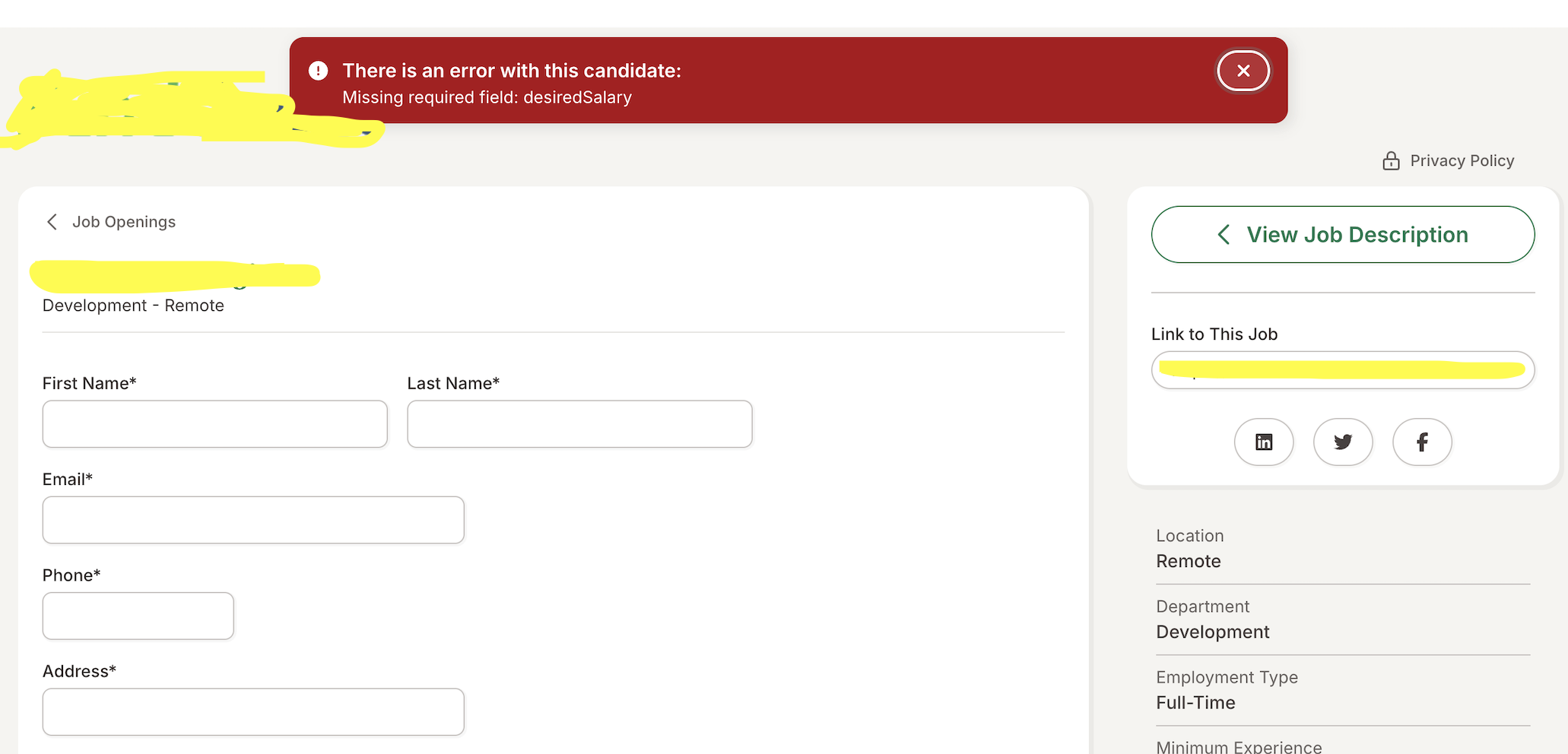
Thanks. Very helpful. Exactly the kind of encouragement you need when job hunting.
This is the sort of issue I’d expect to catch within the first few minutes of negative testing.
02The airline that checked me in but forgot to tell me
A while ago, I was flying with one of those airlines where forgetting to check in online can cost you a small fortune.
A few hours before departure, I tried checking in through their mobile app.
Server error. Timeout. Retry. Another error.
Eventually, I tried the classic IT solution: close the app and open it again.
Surprise! I was already checked in.
Apparently, the operation had succeeded, but the app never bothered to tell me.
As someone with a technical background, I could figure it out. But imagine a less technical passenger, a couple of hours before their flight, wondering whether they’ll be allowed to board.
03The financial app that briefly convinced me I’d lost everything
One morning, I opened a popular financial app to check my crypto portfolio.
Total balance: $0.
Flat graph. Nothing.
Not exactly the kind of adrenaline I was looking for before my morning coffee.
After a moment of panic, I navigated into my actual holdings and discovered that everything was still there. The portfolio overview was simply displaying incorrect information.
They fixed it later that day.
Unfortunately, I encountered similar behavior a few more times afterward.
Thankfully, it appeared to be a display issue rather than an actual loss of funds.
None of these bugs caused serious damage. Mostly wasted time, unnecessary stress, and a little loss of trust.
But that’s precisely what worries me.
What happens when the next bug isn’t just an annoying form, a misleading confirmation, or an incorrect balance?
What happens when it affects millions of users, real financial transactions, or critical infrastructure?
I’m not blaming AI. And I don’t believe having a QA engineer on every team magically prevents bugs.
But generating code faster doesn’t automatically mean we’re building better software.
If we’re accelerating development while reducing testing, skipping proper reviews, and treating quality as an optional expense, are we really becoming more productive? Or are we just accumulating risk faster?
Maybe I’m overreacting.
Maybe it’s confirmation bias. After all, I’m a QA engineer. Finding bugs is practically a hobby since I’m doing it even in my free time.
Or maybe we’re collectively cutting corners, and the consequences just haven’t fully caught up with us yet.
I’m genuinely curious: have you also noticed more bugs in everyday software lately, or am I just paying too much attention?